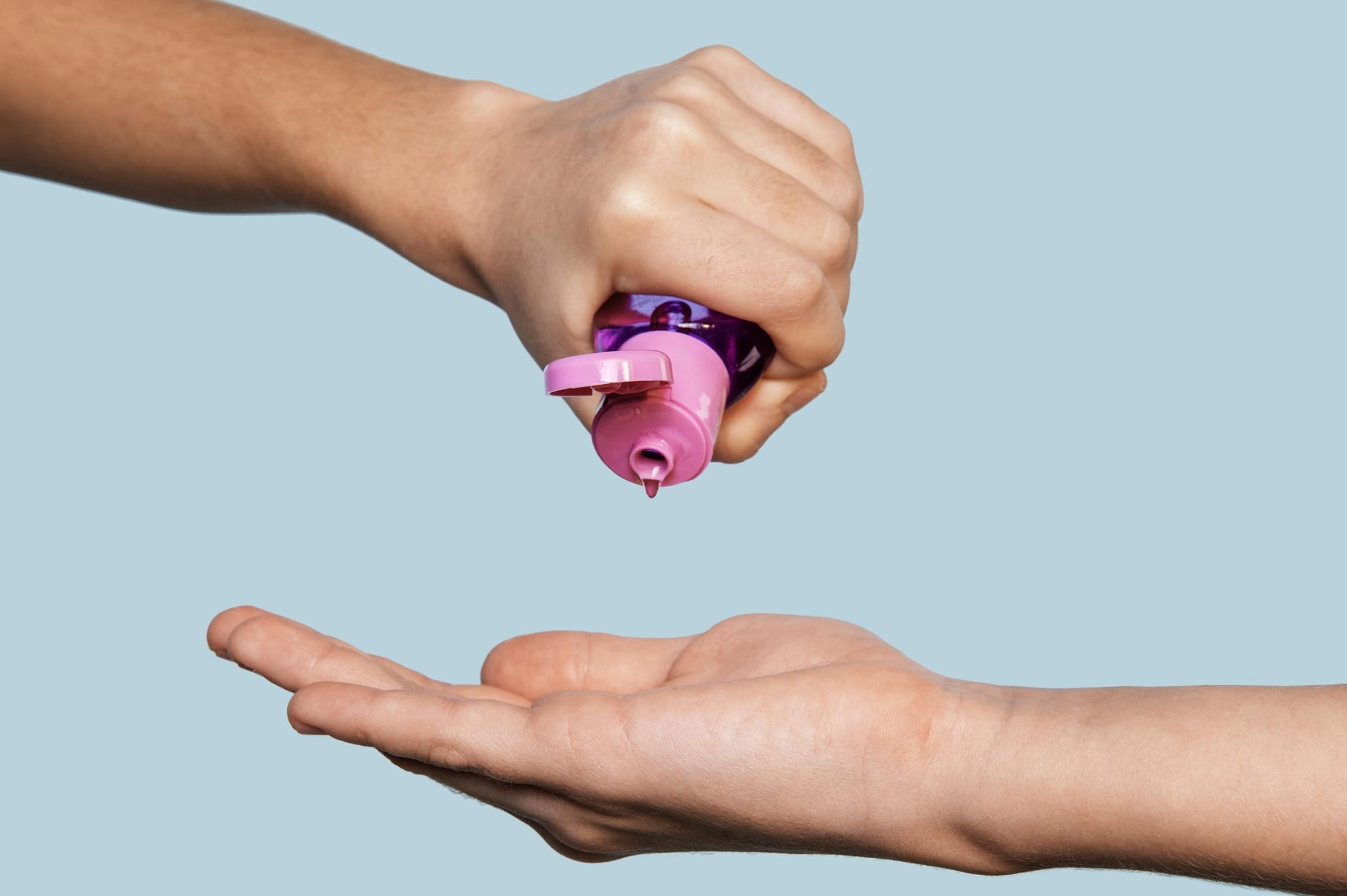
Lubricant is one of those products people assume they understand until they’re standing in front of three different bottles wondering which one actually matters for their situation. The truth is, the “right” lubricant depends on what you’re using it with, what you’re doing, and even factors like skin sensitivity — and picking the wrong one can mean anything from a disappointing experience to actually damaging a toy.
Here’s a clear breakdown of the three main types, so you can choose with confidence.
Why Lubricant Matters
Beyond comfort, lubricant:
- Reduces friction that can cause irritation or micro-tears in delicate skin
- Enhances sensation and makes intimate activities more comfortable, especially for longer sessions
- Is essential when using certain toys, particularly silicone ones, where the wrong lubricant can degrade the material over time
- Helps compensate for natural dryness, which can be affected by hormones, medication, stress, age, or just individual variation — completely normal and nothing to be self-conscious about
Water-Based Lubricant
What it is: The most versatile and widely used type, made primarily with water and thickening agents like glycerin or cellulose.
Pros:
- Safe with all toy materials, including silicone — this is the one lube you truly can’t go wrong with, material-wise
- Easy to clean up — rinses away with water, doesn’t stain sheets or fabric
- Compatible with condoms (latex and non-latex)
- Widely available and generally the most affordable option
Cons:
- Dries out faster than other types, especially during longer activities — often needs reapplication
- Can feel slightly less “slick” over time compared to silicone-based options
- Some formulas contain glycerin, which can contribute to irritation for people prone to yeast infections — check the ingredient list if this applies to you
Best for: Everyday use, first-time buyers, anyone using silicone toys, and situations where easy cleanup matters.
Silicone-Based Lubricant
What it is: Made from silicone polymers rather than water, giving it a notably different texture and performance profile.
Pros:
- Long-lasting — doesn’t dry out or absorb into skin the way water-based lube does, so less reapplication is needed
- Great for water-based activities (like showers or baths) since it doesn’t wash away
- Very slick texture, often preferred for activities involving more friction
- Hypoallergenic for most users, since it doesn’t contain the ingredients that sometimes cause irritation in water-based formulas
Cons:
- Not compatible with silicone toys. This is the big one — silicone-based lube can break down the surface of silicone toys over time, leaving them sticky, degraded, or damaged.
- Harder to clean up — doesn’t rinse away with water alone, so it can feel greasy on skin and may stain some fabrics
- Generally more expensive than water-based options
Best for: Use with non-silicone toys (glass, metal, ABS plastic) or without toys at all, longer sessions, water-based settings, or anyone who finds water-based lube dries out too quickly.
Hybrid Lubricant
What it is: A blend of water-based and silicone-based formulas, designed to combine the best of both.
Pros:
- Longer-lasting than pure water-based lube, without the full cleanup difficulty of pure silicone
- Smoother, silkier texture than water-based alone
- Generally safer with silicone toys than pure silicone lube — though this varies by brand and silicone concentration, so always check the label
Cons:
- Compatibility with silicone toys isn’t guaranteed — some hybrid formulas still contain enough silicone to cause degradation over time. When in doubt, do a small patch test on an inconspicuous part of the toy first, or stick with water-based to be safe
- Less widely available and typically pricier than water-based options
Best for: Users who want a middle ground — more longevity than water-based, easier cleanup than pure silicone — and who aren’t using their most delicate silicone toys.
Quick Comparison
| Water-Based | Silicone-Based | Hybrid | |
|---|---|---|---|
| Toy compatibility | All materials, incl. silicone | Avoid with silicone toys | Check label; mostly safe, not guaranteed |
| Longevity | Shorter, reapply often | Long-lasting | Moderate |
| Cleanup | Easy, rinses off | Harder, doesn’t rinse easily | Moderate |
| Condom-safe | Yes | Yes | Usually, check label |
| Best setting | Everyday use, silicone toys | Water/shower use, longer sessions | General use, balance of both |
A Few Extra Things Worth Knowing
Always check the ingredient list. Beyond the water/silicone distinction, some lubricants contain added ingredients like warming or flavored components, which can occasionally cause irritation for sensitive users. If you have sensitive skin, a simple, fragrance-free formula is usually the safer starting point.
Oil-based lubricants exist too, but come with caveats. They’re not condom-safe (they can degrade latex) and can be harder to clean, though some people use natural oils for non-toy, non-condom use. If you’re new to this, water-based or silicone-based are the more straightforward, widely recommended starting points.
When in doubt about toy compatibility, check the product page. Reputable toy manufacturers usually specify which lubricant types are safe for their specific product — this is the most reliable way to avoid damaging a toy you’ve invested in.
The Bottom Line
If you only keep one lubricant on hand, water-based is the safest, most universally compatible choice — especially if you own or plan to own silicone toys. Silicone-based lube shines for longevity and water-based activities, but should be paired carefully with the right materials. Hybrids offer a middle ground but still require a quick compatibility check. Whichever you choose, a little attention to material compatibility goes a long way toward comfort — and toward keeping your other products in good shape for longer.
Shopping for lubricant to pair with a new toy? Check the product description on each item for specific compatibility recommendations, or reach out to our team if you’re not sure what pairs well together.
